
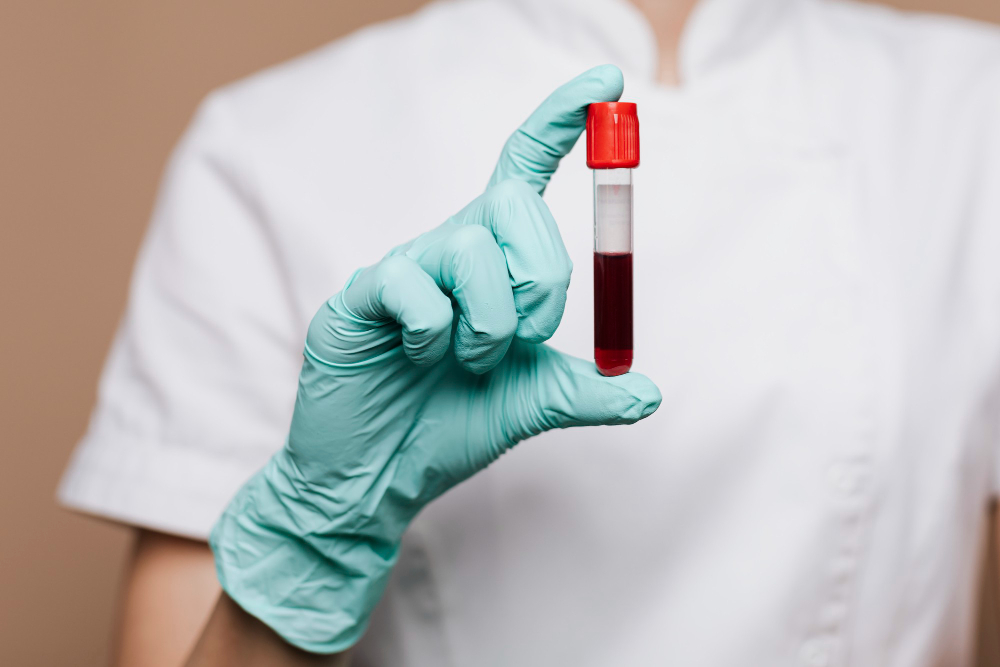
Introduction to the Body Electrolytes Test
The Body Electrolytes test checks the balance of important minerals in your blood. These minerals, called electrolytes, help your body work well. For example, they control your heartbeat, muscles, and nerves. If your blood electrolyte levels are too high or too low, you may feel unwell. Because of this, doctors often order an electrolyte panel to find out what is wrong. This test is simple but very important for your health.
What Are Electrolytes?
Electrolytes are minerals in your blood and body fluids. They carry an electric charge. Some common electrolytes include:
In addition, these minerals help your body send signals between cells. Without the right balance, your body cannot work as it should.
Why Is the Body Electrolytes Test Important?
Doctors use the Body Electrolytes test to check for problems like dehydration, kidney disease, or heart issues. Sometimes, certain medicines can change your blood electrolyte levels. For this reason, your doctor may order this test if you are taking water pills or other drugs. The test helps find out if you have an electrolyte imbalance. Early detection can prevent serious health problems.
Symptoms and Signs of Electrolyte Imbalance
Electrolyte imbalance can cause many symptoms. Some are mild, while others are serious. Watch for these signs:
If you notice any of these symptoms, it is important to talk to your doctor. Early testing can help find the cause.
How the Test Is Performed
The Body Electrolytes test is quick and simple. First, a healthcare worker will clean your arm. Next, they will use a small needle to take a blood sample. The sample goes to a lab for testing. Usually, you can return to your normal activities right after the test. Most people feel only a small pinch during the blood draw.
Understanding Your Test Results
After the test, your doctor will review your results. Here are the normal ranges for common electrolytes (may vary by lab):
If your levels are outside these ranges, it may mean:
However, only a doctor can explain what your results mean for you. Sometimes, more tests are needed to find the cause.
Preparation and Aftercare
In most cases, you do not need to do much to prepare for the Body Electrolytes test. However, your doctor may ask you to:
After the test, you can usually go back to your normal routine. If you feel dizzy or notice swelling, let your healthcare provider know right away.
Prevention and Lifestyle Tips
To help keep your blood electrolyte levels in balance, try these tips:
Additionally, check with your doctor before starting new supplements or diets. This can help prevent electrolyte imbalance.
When to Consult a Doctor
If you have symptoms like muscle cramps, confusion, or an irregular heartbeat, see a doctor soon. Also, if you have a health condition that affects your kidneys or heart, regular testing may be needed. Early action can prevent serious problems. Do not ignore warning signs.
Conclusion and Call-to-Action
In summary, the Body Electrolytes test is a simple way to check your health. It helps find problems early and guides treatment. If you have symptoms or risk factors, talk to your doctor. Consult a healthcare professional at Diagnocare Medi Lab for personalized guidance on electrolyte testing and results.