
Fever is a rise in body temperature, often signaling that something is wrong. Many think it is always due to an infection, but that’s not always true. Fever is a symptom, not a disease itself. It’s the body’s way of fighting off an invader, like a virus or bacteria. One challenge of diagnosing the root cause is that fever can stem from numerous factors, such as infections, autoimmune diseases, or heat exhaustion. This makes it tricky to pinpoint the exact problem without proper tests. Understanding the cause is crucial for effective treatment, making accurate diagnostics essential.
What is a Fever Panel Test?
A fever panel test is a group of medical tests that help figure out why you have a fever. Instead of taking one test at a time, several tests are done simultaneously. This saves time and provides a clearer picture of what might be causing the fever. Using a panel instead of individual tests is beneficial as it covers a variety of potential causes in one go. These tests identify infections, inflammation, and other conditions quickly and effectively, paving the way for timely treatment.
Essential Components in a Fever Panel Test
A typical fever panel test includes the following components:
- CBC (Complete Blood Count): This test checks the number of different cells in your blood, helping detect infections or diseases.
- CRP (C-Reactive Protein): Measures inflammation levels in the body, which can rise due to infection.
- ESR (Erythrocyte Sedimentation Rate): Another inflammation marker, indicating infections, cancers, or autoimmune diseases.
- Malaria Test: Specifically looks for malaria parasites in your blood, common in fever cases.
- Dengue Panel Test: Detects the dengue virus, crucial in regions where dengue is prevalent.
- Typhidot Test: Identifies typhoid fever, often suspected when fever symptoms persist.
- Urinalysis: Examines urine for signs of an infection or diseases like diabetes.
These tests provide a comprehensive look at potential reasons behind a fever, ensuring doctors can identify the cause more accurately.
When to Consider a Fever Panel Test
You should consider a fever panel test if your fever is persistent and doesn’t go away with standard treatments. Severe symptoms, like extreme fatigue, vomiting, or dehydration, also warrant further investigation. Certain groups, like children, the elderly, or travelers returning from areas prone to diseases like malaria or dengue, may also need this test. This approach helps spot serious conditions early, making it vital for timely intervention and better health outcomes.
Rapid Diagnostics for Better Treatment
Fever panels speed up the process of identifying what’s causing your fever, enabling quicker treatment decisions. They provide rapid insights into a wide range of infections, from bacterial to viral, streamlining the route to recovery. A newer innovation in this field is the rapid multiplex PCR panel, which identifies multiple pathogens simultaneously. This cutting-edge technology offers precise results, usually within hours, significantly cutting down waiting time. With prompt identification, doctors can choose the best treatment quickly, reducing discomfort and preventing complications.
How to Prepare for a Fever Panel Test
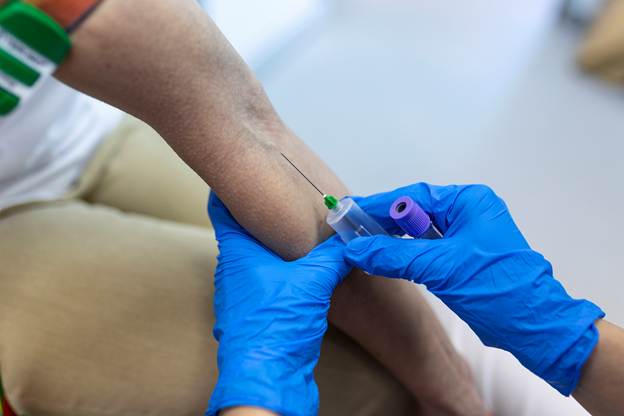
Before getting a fever panel test, it’s essential to know what to expect. Blood samples are usually required, and it’s best to follow any fasting instructions given by your healthcare provider. Drinking plenty of water might be advised to ease the sample collection process. Most results come back within a few days, but some, like rapid PCR panels, can be available in hours. Being prepared assures everything goes smoothly, and you get accurate, timely outcomes.
Interpreting Your Fever Panel Test Results
Understanding your fever panel test results is crucial for the next steps. Healthcare providers interpret these results by looking for signs of infections or inflammation in your body. For instance, a high WBC count might indicate an infection, while elevated CRP points to inflammation. Once the cause of fever is identified, doctors can suggest appropriate treatments or further tests if needed. Remember, these results are a guide, and continuous consultation with healthcare professionals is vital for a full recovery.
Public Health Benefits of Fever Panel Testing
Fever panel tests contribute significantly to public health. By quickly identifying the cause of a fever, these tests help prevent disease outbreaks. In communities, timely diagnosis can stop diseases like dengue or malaria from spreading uncontrolled. Moreover, accurate fever diagnosis reduces the misuse of antibiotics, as doctors can target infections specifically, preventing antibiotic resistance from rising. Overall, swift fever diagnosis aids in controlling health issues at both individual and communal levels, enhancing public well-being.
Key Considerations and Limitations
While fever panel tests are valuable, they may not be necessary for everyone. Mild fevers, without other symptoms, often resolve on their own. In some cases, tests might yield false positives or negatives, leading to unnecessary stress or treatments. Hence, further testing might occasionally be required for confirmation. It’s crucial to consult with healthcare providers to determine if these tests are needed, ensuring decisions are well-informed and appropriate.
Conclusion
In conclusion, fever panel tests are essential for diagnosing the causes behind unexplained fevers effectively. These tests offer swift and accurate results that guide effective treatments. Always reach out to healthcare professionals for advice tailored to personal health needs to ensure the best care possible.